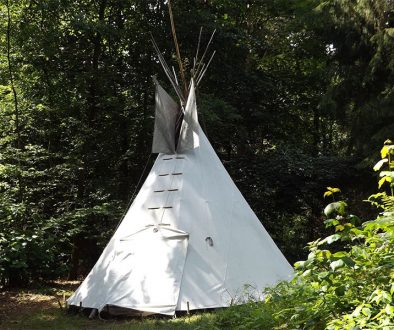
Where Can I Wild Camp?
With many campsites due to experience an influx of visitors this year and a reduction of capacity to ensure social distancing can be followed, many people will be looking at alternative ways to camp out, including wild camping. Wild camping is the absolute essence of living outdoors, far away from people and facilities. It can be a great experience if you are well prepared and don’t mind a bit of a hike.
Wild camping is generally legal in Scotland, meaning you can pitch up anywhere, as long as it’s not a golf course, actively farmed land or private property. Scotland has vast expanses of wild territory which offer many great places to pitch up for a night or two, and with a network of bothies (small, basic shelters offering protection from the elements), it’s possible to have a secluded camping holiday while taking in some breathtakingly beautiful scenery. There are rules to follow even when wild camping; one of the most important is fire safety. You should not light a fire when wild camping, even if there is evidence of a fire being built previously. Instead, use portable camping stoves for heating water and cooking on. It’s also really important to deal with your waste, both the human kind and your rubbish. Take litter with you (including hygiene products) and bury your human waste and toilet paper, ensuring you do not choose a latrine site near waterways.
Many highland streams are unpolluted, but you may want to use water purification tablets, boil it, or use a special filtering straw before consuming this water – it may look clean and clear but a dead rabbit could be lurking upstream, so stay on the safe side. You’ll need to take everything you need with you, so pack light but don’t leave essentials out. First aid kits is an absolute must for wild camping, and ensure your mobile phone is charged to last your trip – some areas will be outside reception ranges, so turn it off to conserve the battery life.
In England and Wales wild camping is illegal without permission from the landowner. The Lake District has a long history of wild camping and you may get away with camping for a night or two, as long as you are well out of sight of towns and other settlements and you’re not causing an obstruction. Again, don’t light campfires and leave no trace of your visit as this spoils it for other visitors and gives wild campers a bad reputation – wild camping is tolerated as long as it does not cause a problem and this trusted relationship with the residents is something to be respected.
There are other out of the way places in England and Wales where wild camping is tolerated by the locals but again, these relationships are to be respected. It is very important to get permission from the landowner if you want to wild camp, and in many cases farmers and landowners are happy for quiet, respectful campers to camp on their land. If you don’t get permission you can expect to be moved on, even by the police if the landowner has decided to call them because you’re trespassing. It goes without saying that you should leave no trace of your visit, and ensure you are out of the way of livestock. You could ask permission to build a small campfire, but the chances are this won’t be allowed as it damages the ground and encourages others to do the same.
If you fancy a walk on the wild side this year do your research, make sure you’re well prepared and always get permission to camp in England and Wales.